
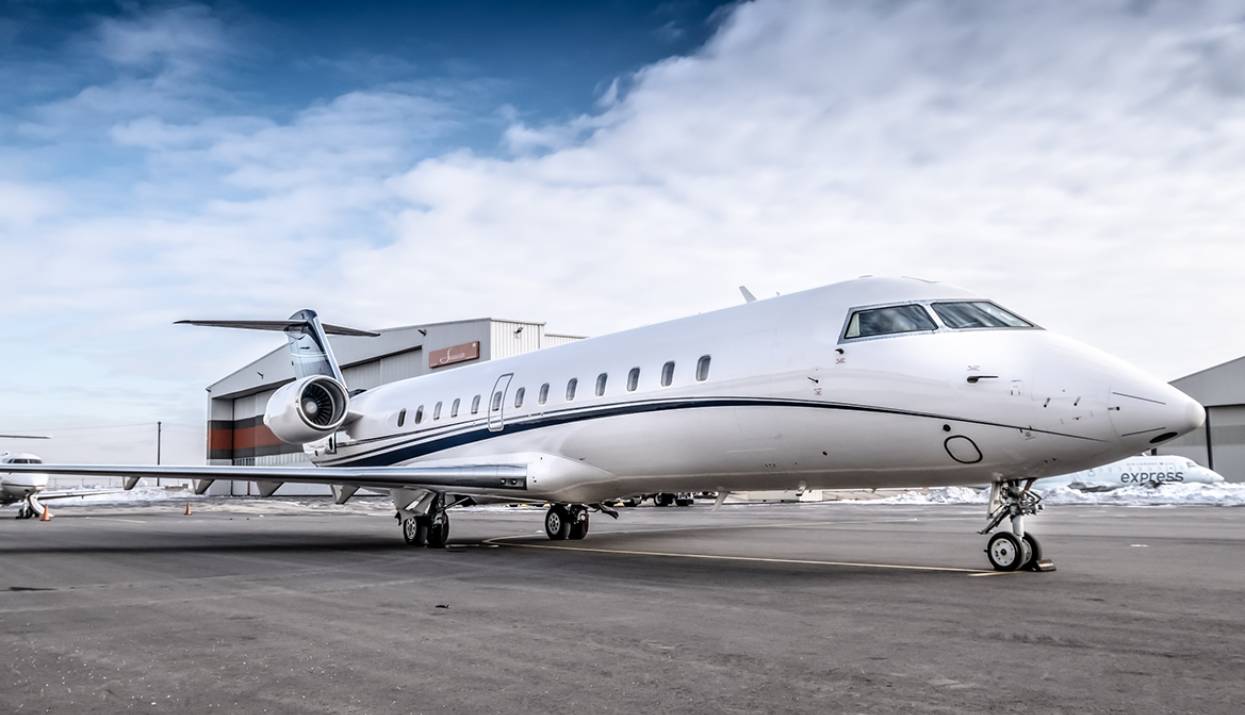
For many passengers, choosing a private jet is about more than in-flight comfort. The ability to control your schedule, select preferred airports, maintain privacy, understand operational procedures, and accommodate specific travel requirements are also important factors to consider before booking a flight.
However, the operating conditions of each flight may vary depending on the aircraft type, departure and arrival airports, regulations in each country, weather conditions, as well as specific security and operational requirements.
Below are six common questions frequently raised by clients considering private jet services.
1. Can Ground Transportation Access the Aircraft Parking Area Directly?
The answer depends on the regulations of each airport.
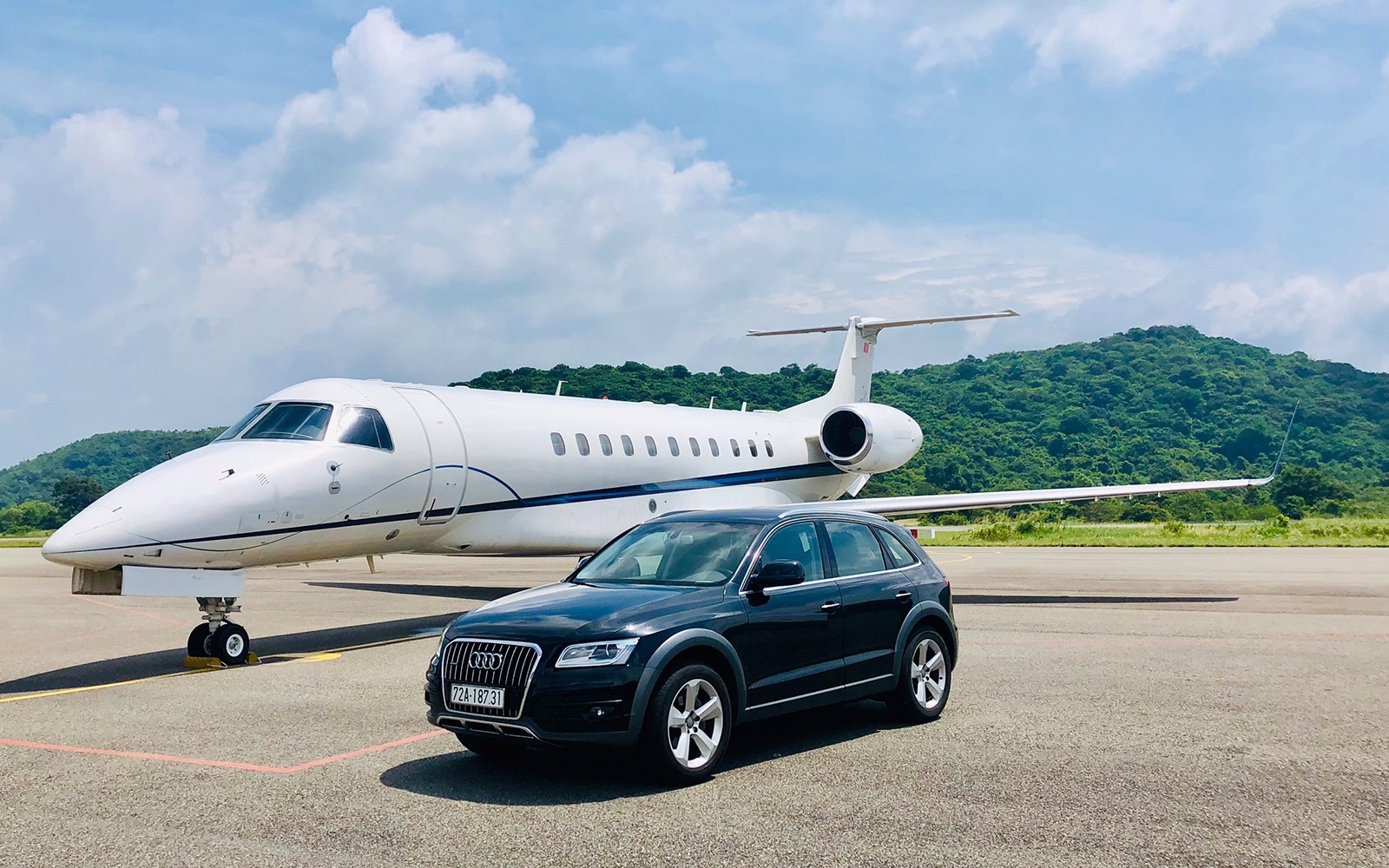
At certain airports, ground vehicles may be permitted to access the aircraft parking area, commonly referred to as the apron or aircraft operating area. However, such access must comply with aviation security regulations, vehicle control procedures, and airport operating requirements.
In many cases, passengers can be transported to a dedicated business aviation facility through an FBO or private aviation terminal. Procedures such as document checks, security screening, and immigration may be handled through dedicated channels, depending on the airport's infrastructure and applicable regulations.
Therefore, flying by private jet does not necessarily mean that a vehicle can always take passengers directly to the aircraft at every airport. Instead, one of the key advantages lies in the ability to arrange a dedicated process and minimize unnecessary intermediate steps within the limits permitted by the airport and relevant authorities.
Before each journey, JetVina coordinates with the relevant parties to determine the most appropriate passenger pick-up and drop-off procedures for each specific airport.
2. Can a Private Jet Land at Any Airport?
No. A private jet cannot simply land at any airport at will.
However, compared with commercial flights operated by large aircraft or according to fixed schedules, private aviation can significantly expand the range of available airport options.
An airport may be considered for operation based on a number of factors, including:
- Runway length and condition;
- Airport handling capabilities;
- Terrain and weather conditions;
- Compatibility with the specific aircraft type;
- Airport operating hours;
- Immigration and customs regulations;
- Flight permits and operational approvals;
- Safety and operational requirements.
Because private aviation offers a wide range of aircraft with different sizes and operating capabilities, private jets can access more airports within a region than conventional commercial flights in certain circumstances.
For example, some small and mid-size business jets may be suitable for airports with shorter runways. However, actual operating feasibility must still be assessed for each specific route and aircraft type.
Therefore, once the client provides the departure and destination points, the flight coordinator will assess operational feasibility and identify the airport best suited to the itinerary.
3. Is Aircraft Ownership Related to Asset Depreciation Policies?
For clients considering aircraft ownership, taxation, asset depreciation, and ownership structures can be important factors in the decision-making process.
In certain jurisdictions, aircraft used for business purposes may qualify for fixed-asset depreciation treatment. Depending on the applicable tax framework at a given time, businesses may also be eligible for accelerated depreciation or other incentives for qualifying assets.
However, the application of such policies depends on multiple factors, including:
- The country and jurisdiction in which the aircraft is owned;
- The legal structure of the owner;
- The intended use of the aircraft;
- The proportion of business use;
- The method of acquiring or leasing the aircraft;
- Tax regulations applicable at the time of the transaction.
Therefore, there is no single depreciation policy that applies universally to all aircraft owners or jurisdictions.
For clients considering aircraft acquisition, JetVina can assist by connecting them with appropriate specialists when exploring aircraft ownership, operation, and management options. Taxation and depreciation matters should be reviewed separately with qualified financial advisors or tax professionals in the relevant jurisdiction.
4. Can Passengers Smoke or Smoke Cigars on a Private Jet?
This depends on the policies of the individual aircraft, owner, operator, and applicable legal regulations.
Not all private jets permit smoking or cigar use in the cabin. Some owners or operators may allow it under specific conditions, while other aircraft may have a strict no-smoking policy.
In addition to regulatory considerations, smoking or cigar use inside the cabin may also need to be assessed in relation to:
- Smoke detection systems;
- Potential impact on cabin equipment;
- Residual odors within the interior;
- Cleaning and maintenance requirements;
- Policies applicable to subsequent passengers or flights.
If smoking is permitted, clients should communicate this requirement before confirming the flight so that the operator can verify the policy of the specific aircraft.
After the flight, cleaning, ventilation, and odor-treatment procedures may be carried out depending on the actual condition of the cabin and operational requirements. The level of treatment will depend on the aircraft type, interior materials, and the operator's procedures.
5. How Much Luggage Can a Private Jet Carry?
Luggage capacity is one of the key factors that should be checked before every flight.
Unlike simply considering the number of passengers, the luggage capacity of a private jet also depends on:
- The dimensions and weight of each piece of luggage;
- Total passenger weight;
- Fuel requirements for the journey;
- Runway conditions;
- The aircraft's baggage compartment;
- Aircraft weight and balance limitations.
Mid-size and long-range aircraft generally provide sufficient baggage space for personal belongings on business trips or extended leisure journeys. Certain configurations may also accommodate specific requirements such as golf equipment, sporting equipment, professional equipment, or oversized luggage.
However, items such as golf clubs, sports equipment, musical instruments, or other special baggage should be declared in advance so that their storage and transportation can be properly assessed.
Long-range and ultra-long-range aircraft generally offer larger baggage compartments. However, exact specifications may vary depending on the aircraft model, individual configuration, and specific aircraft assigned to the flight.
When booking a flight, clients are therefore encouraged to provide:
- Number of baggage pieces;
- Estimated dimensions and weight;
- Special items;
- Sports or professional equipment, if applicable.
This information allows the flight coordinator to select an aircraft that is better suited to the client's actual requirements.
Hành lý trên bay chuyên cơ riêng có giới hạn6. Can Pets Travel in the Main Passenger Cabin?
In many cases, pets may be permitted to travel in the main passenger cabin of a private jet. This is a frequently requested option for passengers who wish to remain with their pets throughout the journey.
However, this is not automatically approved for every flight. Pet transportation depends on:
- The policies of the aircraft owner or operator;
- Regulations in the departure and destination countries;
- Animal quarantine requirements;
- Health records and vaccination requirements;
- Import or transit permits;
- Regulations imposed by individual airports and relevant authorities.
Depending on the type and size of the pet and the destination, pets may be permitted in the passenger cabin or may need to follow alternative transportation procedures in accordance with applicable regulations.
To minimize potential complications, clients should provide pet information during the early planning stage of the flight. JetVina can assist in reviewing the documentation, procedures, and transportation requirements applicable to each specific itinerary.
SELECTING THE RIGHT AIRCRAFT FOR EACH JOURNEY
Each private jet is designed to meet different requirements in terms of passenger capacity, range, operating time, and cabin space.
Some aircraft options available through JetVina's network may include:
Gulfstream G150
Suitable for smaller groups and regional journeys, with the advantage of operational flexibility.
Gulfstream G450 and Bombardier Global 5000
Suitable for long-distance journeys and passenger groups seeking spacious cabins, comfort, and the ability to travel across regions efficiently.
Bombardier Global 6000
Designed for long-haul flights, with a cabin suitable for both relaxation and productive work throughout the journey.
Gulfstream G550 and Gulfstream V
These aircraft belong to the very-long-range category and are suitable for intercontinental journeys and extended flights.
The number of seats, interior configuration, baggage capacity, and onboard amenities may vary depending on the specific aircraft assigned to the flight.
#REQUIREMENTS THAT CAN BE CUSTOMIZED BEFORE THE FLIGHT
In addition to selecting the appropriate aircraft, clients may discuss specific requirements in advance, including:
- In-flight catering and dietary preferences;
- Pet transportation requirements;
- Sports equipment or special baggage;
- Ground transportation arrangements;
- Passenger pick-up and drop-off procedures;
- Preferred schedule and flight times.
The ability to accommodate each request will depend on the aircraft type, airport, route, and applicable regulations.
For international transactions, payment methods may also be discussed according to the specific contract and transaction conditions. In certain cases, JetVina may be able to support payment methods suitable for international clients, subject to applicable legal requirements and transaction conditions.
Contact the JetVina team today to receive expert advice on the itinerary and aircraft type best suited to your journey.
To receive a tailored consultation and quotation, please provide:
- Departure date
- Return date
- Number of passengers
- In-flight catering requirements
- Pet information (if applicable)
Request a quick quotation:
#To secure priority access during peak travel periods in Bali and enjoy attractive fixed rates for selected routes across Asia, clients may also register for the JetVina Membership program.
JetVina provides flexible private aviation solutions, giving clients access to exclusive destinations around the world.
JetVina is proud to be a pioneer in Vietnam's private aviation sector, creating bespoke journeys that meet the highest standards of privacy and refined service. With access to a modern aircraft network across Southeast Asia, Asia, and worldwide, we are always ready to design distinctive itineraries that take clients to the world's most exceptional destinations in complete comfort and peace of mind.- Journey Consultation & Services: Contact our specialists via WhatsApp/Zalo/Hotline: +84 396 919 611 or email: flights@jetvina.com.