
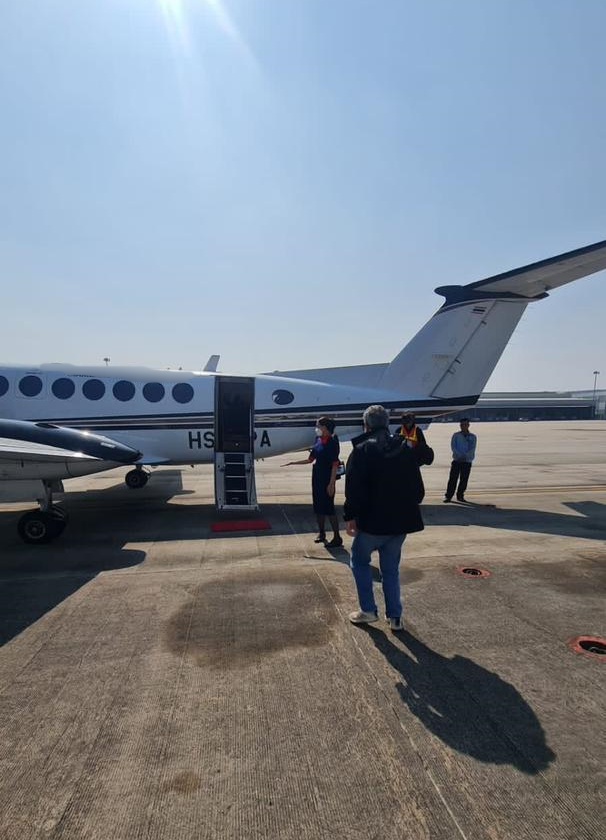
In private aviation, a high-quality flight is defined by more than a luxurious cabin, personalized services, or the ability to optimize travel time. Above all, safety throughout the journey remains the most important consideration. Achieving this requires not only modern aircraft, but also highly qualified pilots, rigorous operational procedures, and effective flight management systems.
For private jet flights, particularly those operating to airports with challenging terrain or special operational conditions, the experience of the flight crew and strict adherence to international aviation standards are always among the highest priorities.
Pilot Training to International Standards
To operate private jets, pilots must undergo multiple stages of training, accumulate extensive flight experience, and complete regular assessments. In addition to holding a commercial pilot license, they must also obtain a Type Rating, which certifies them to operate a specific aircraft type.
This means that pilots are only authorized to operate the aircraft types for which they have received the required training and certification. Each pilot's records are carefully maintained, including total flight hours, aircraft types operated, training courses completed, and results of recurrent assessments.
Alongside practical experience, pilots are required to regularly participate in training sessions using Full Flight Simulators, which replicate a wide range of operational scenarios, including extreme weather, technical failures, engine failures, and emergency situations. These programs are essential for maintaining pilots' ability to respond effectively to unexpected circumstances and for upholding safety standards throughout flight operations.
In recent years, pilot training capabilities in Vietnam have continued to develop. Several organizations have gained the capability to provide training and type conversion for aircraft such as the Dassault Falcon 8X, a modern ultra-long-range private jet that requires rigorous training procedures. This reflects the continued development of Vietnam's aviation workforce and technical capabilities.
Vận tải hàng hóa quan trọng, siêu trường, siêu trọng bằng đường không - JetVinaChallenging Airports and Special Operational Requirements
Asia is home to a number of airports considered among the most operationally challenging in the world. Not every pilot is qualified to operate flights to these destinations.
One of the most notable examples is Paro International Airport in Bhutan. Located among the high mountains of the Himalayas, the airport has operational requirements that differ significantly from those of many other international airports. Only a limited number of specially trained and authorized pilots are permitted to conduct takeoffs and landings there.
In Vietnam, Con Dao Airport also presents specific operational challenges due to its runway characteristics, coastal location, and exposure to crosswinds. Other examples include high-altitude or mountainous airports such as Leh in India, where lower air density directly affects aircraft performance and requires flight crews with appropriate operational experience.
These challenging routes demonstrate that a pilot's expertise extends beyond aircraft handling. It also involves accurately assessing terrain, weather conditions, aircraft performance, and coordinating effectively with air traffic control systems.
Safety Remains the Highest Priority in All Weather Conditions
A common misconception is that pilots can independently choose their flight paths whenever they encounter bad weather. In modern aviation operations, however, any changes to the flight route are coordinated with Air Traffic Control (ATC).
When thunderstorms, convective clouds, strong winds, or turbulence are present, the flight crew may receive instructions from ATC to change altitude, adjust the flight path, or divert around areas of adverse weather. These procedures are applied internationally to maintain safe separation between aircraft and ensure efficient operations.
Even for humanitarian missions, emergency transportation, or citizen evacuation flights, aviation safety standards remain strictly enforced. No flight is operated unless the prevailing conditions meet the requirements established by the relevant aviation authorities.
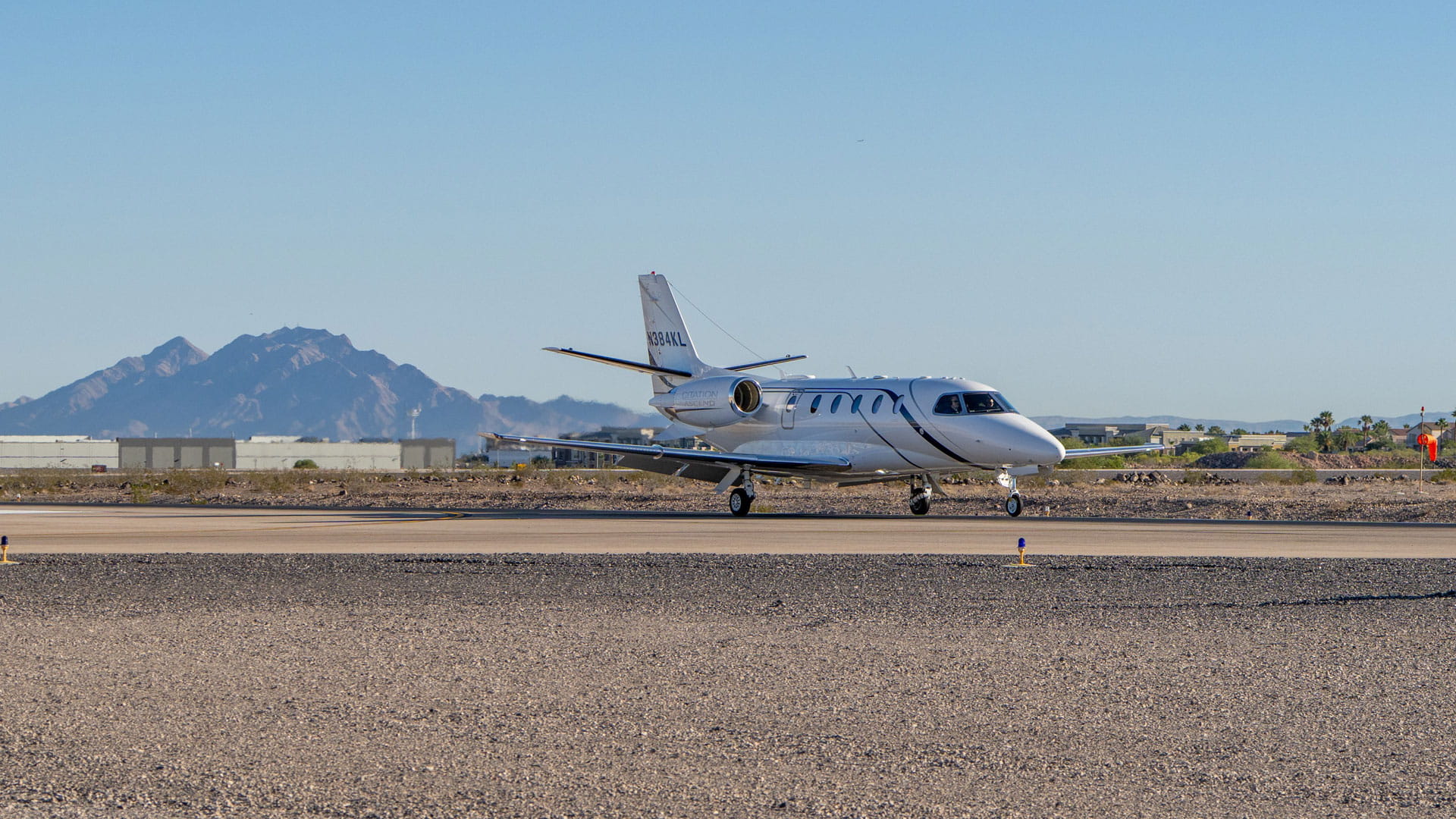
The Practical Experience of Vietnamese Pilots
Over the years, Vietnamese pilots have participated in a wide range of special missions, including repatriation flights, humanitarian operations, disaster relief missions, and flights to areas where aviation infrastructure and operating conditions may be more challenging.
In helicopter operations, many pilots have backgrounds in the military or experience conducting emergency flights to the Spratly Islands, offshore oil rigs, and mountainous areas in northwestern Vietnam. These operating environments can involve rapidly changing weather, limited visibility, and demanding technical requirements.
Such experience contributes to the development of a highly capable aviation workforce in Vietnam and demonstrates the ability of local aviation professionals to adapt to a wide range of operating conditions.
JetVina's Role in Flight Coordination
For every journey, JetVina goes beyond providing private jet charter solutions. We coordinate with licensed aircraft operators to select the aircraft and flight crew most appropriate for the specific requirements of each journey.
For destinations with special operational requirements, such as Bhutan, Con Dao, or airports with specific operating procedures, only pilots who meet the required certification and experience standards are assigned to the flight.
JetVina also prioritizes the coordination of modern private jets such as the Embraer Legacy 600, Bombardier Global 6000, Global 7500, Gulfstream G550, and Falcon 8X. These aircraft feature advanced avionics systems that support flight crews with navigation, weather monitoring, and aircraft operations across short-, medium-, long-haul, and intercontinental routes.
Beyond flight operations, JetVina also supports clients throughout the pre- and post-flight process through business aviation terminals and Fixed-Base Operators (FBOs), priority access, ground handling services, and personalized travel arrangements. These services help reduce unnecessary waiting time and provide a more seamless journey.
Conclusion
In private aviation, passenger peace of mind is built on multiple foundations: professionally trained flight crews, extensive operational experience, modern aircraft, and procedures that comply with international aviation standards. Together, these elements enable private jet flights to meet the highest expectations for safety, efficiency, and flexibility.
With a global network of operating partners, JetVina coordinates the appropriate flight crew, aircraft, and operational arrangements for each journey, with the goal of delivering private flights that meet the safety and quality standards of modern aviation.
To receive a tailored consultation and quotation, please provide:
- Departure date
- Return date
- Number of passengers
- On-board catering requirements
- Pet information, if applicable
Request a quick quotation: #>
To secure priority access during peak travel periods in destinations such as Bali and enjoy attractive fixed rates for selected intra-Asia journeys, clients may consider joining the JetVina Membership program.
JetVina provides flexible private jet solutions, giving clients access to exclusive destinations around the world.
JetVina is proud to be a pioneer in Vietnam's private aviation sector, creating bespoke flight experiences that meet the highest standards of privacy and luxury. With access to a modern fleet network across Southeast Asia, Asia, and global destinations, we are ready to design tailored routes that take clients to the world's most exclusive destinations in comfort and complete peace of mind.- Journey Consultation & Services: Contact our specialists via WhatsApp/Zalo/Hotline: +84 396 919 611 or email: flights@jetvina.com.